01
Ambient Mode
Use the TV like a framed window. Public mission images drift by quietly, with source credits available in the experience.
StarSol puts JWST imagery, sky events, and ambient space scenes on your biggest screen. Try it free for two days. No signup.
Use the TV like a framed window. Public mission images drift by quietly, with source credits available in the experience.
A curated Webb gallery for large screens, with enough context to enjoy the images without feeling lectured.
Use the sky guide for moon phases, seasonal events, and ISS live-position context. Exact local alerting belongs in the planned Observer tools.
Track where the Station is now. Precise local pass alerts are planned for Observer once location-based predictions are wired in.
The Hunter — visible November through March. Betelgeuse, his shoulder, is a dying red supergiant 642 light-years away.
The Great Bear — circumpolar in the northern sky. The seven brightest stars form the Plough, the Dipper, the Wagon.
The Queen — a celestial W opposite the Dipper. Bound to her throne for vanity, she turns half the year upside down.
The Swan — gliding down the Milky Way every summer. Deneb, the tail, is among the most luminous stars known.
The Scorpion — low on the summer horizon. Antares, the heart, burns red against the galactic core.
The Lion — riding high in spring. Regulus, the heart, sits almost exactly on the ecliptic, kissed by every passing planet.
The Twins — Castor and Pollux, brothers of half-mortal birth. One died young; the other refused immortality alone.
The Bull — Aldebaran his red eye, the Pleiades on his shoulder. A constellation older than any written language.
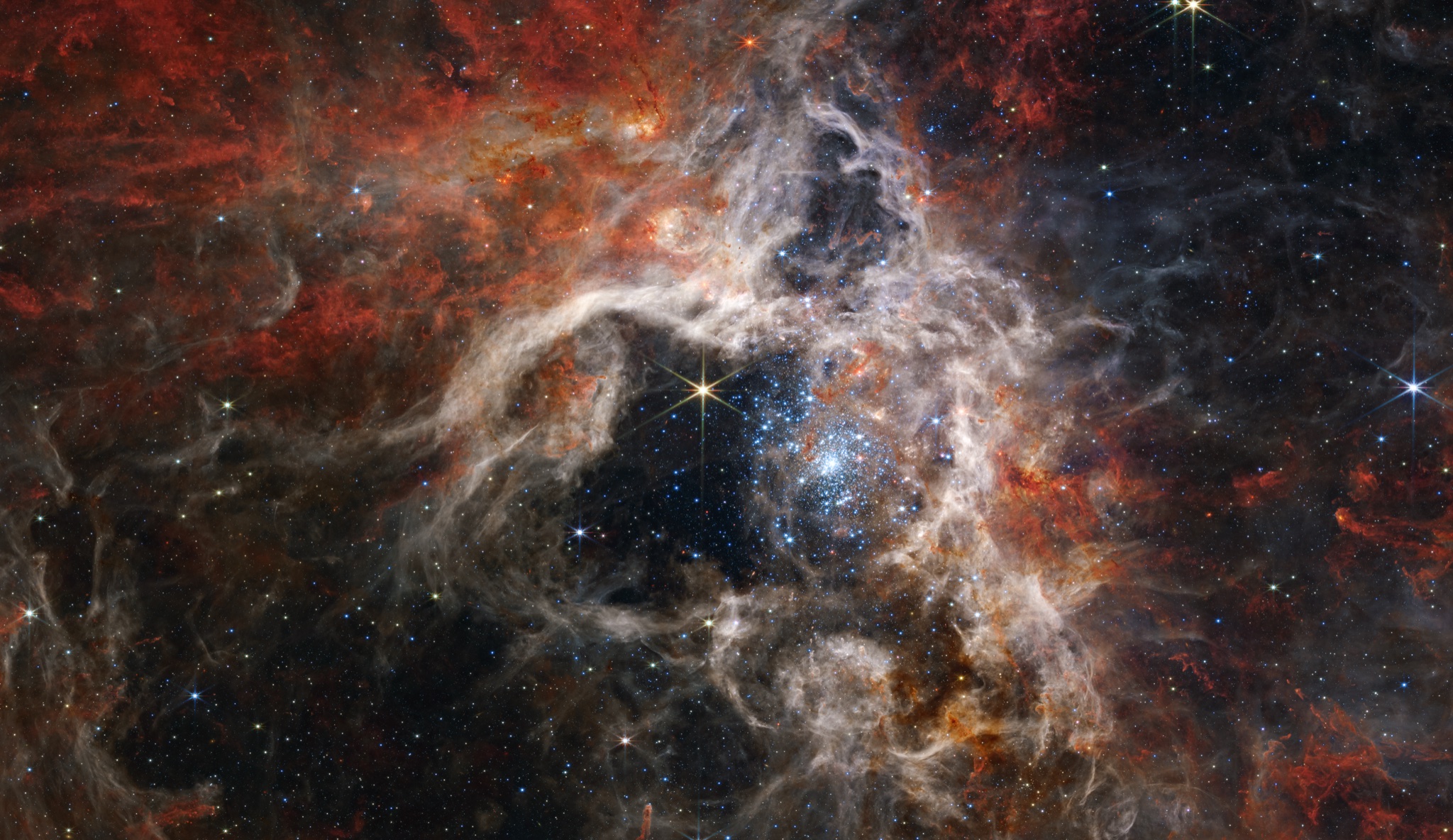
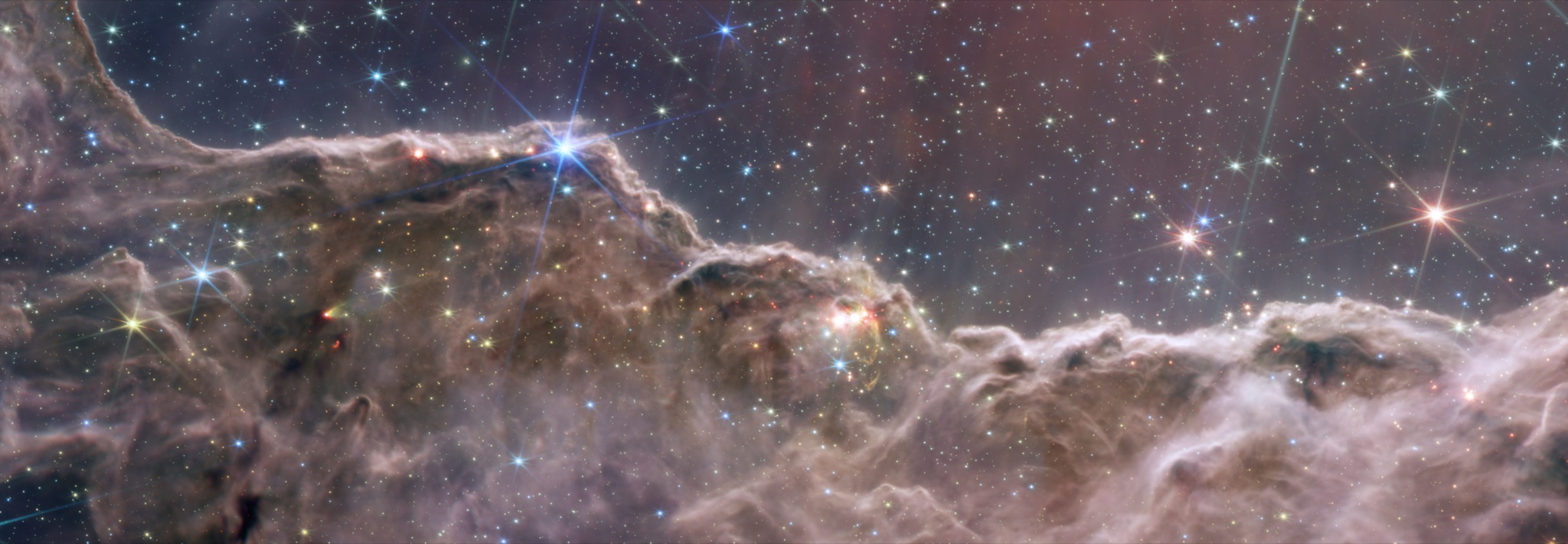
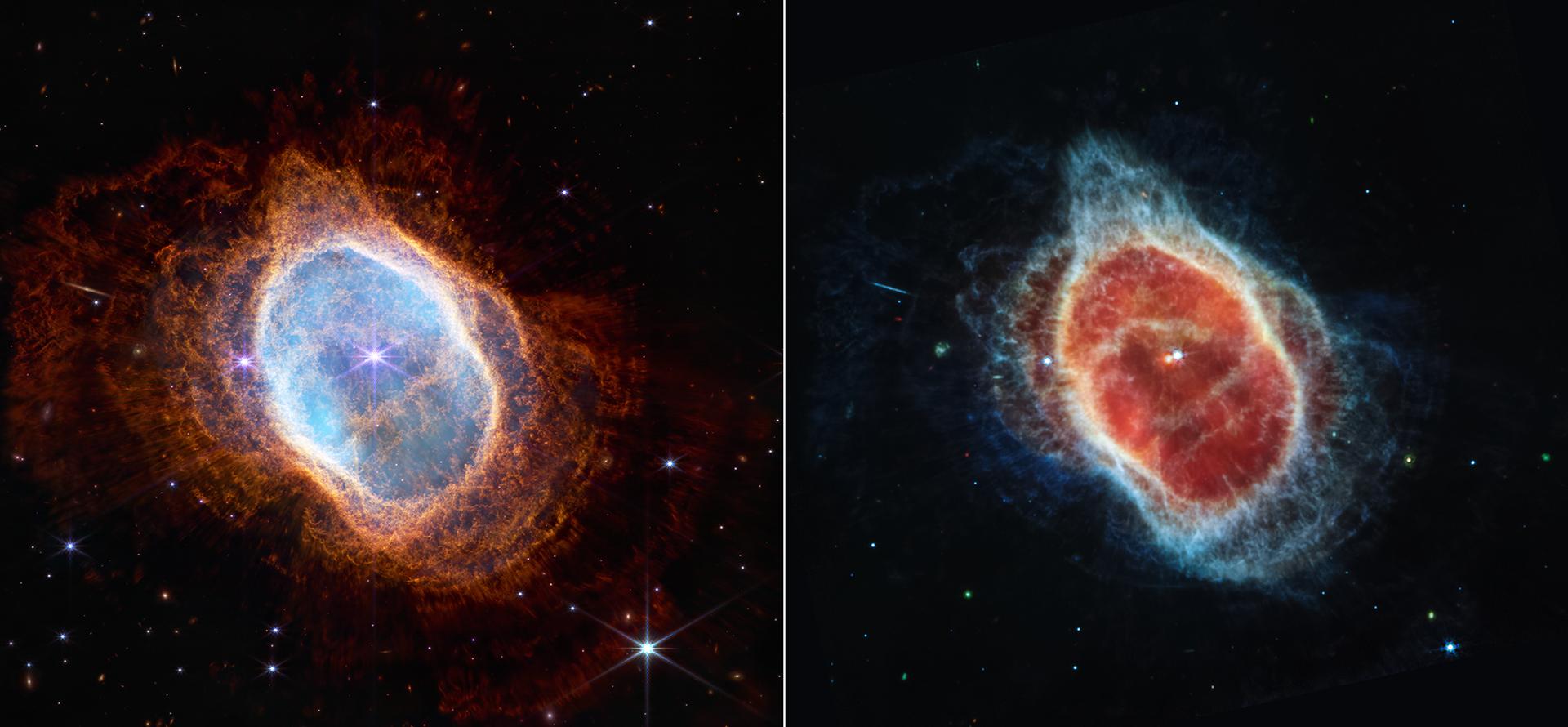
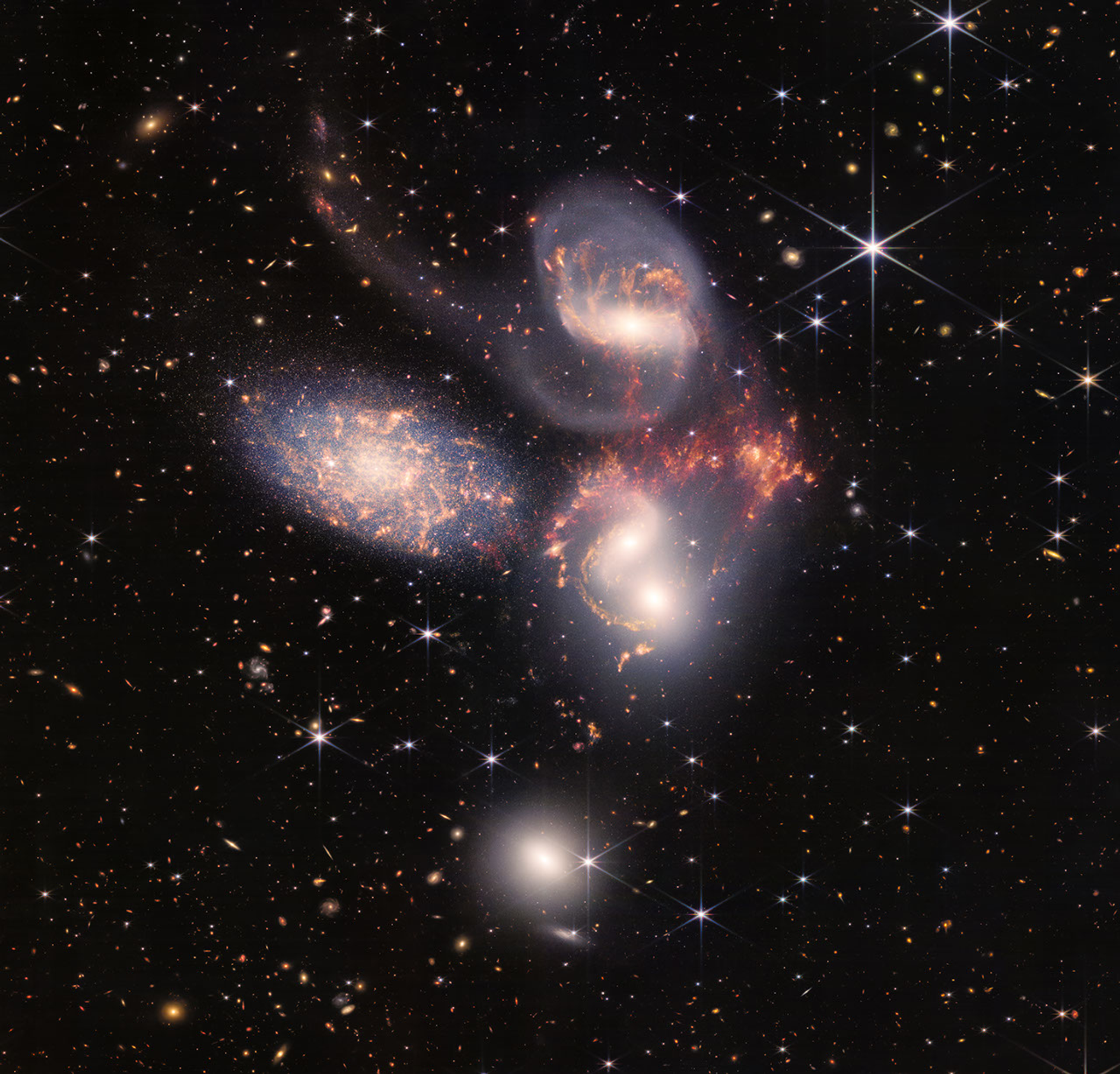
Images: NASA, ESA, CSA, STScI — James Webb Space Telescope First Images
We built StarSol because the most beautiful images of our universe deserve more than a phone screen and a thumb-scroll. On your television, in a dimmed room, they become what they are: windows. New public releases are added after source and credit review. We do not show ads. We will never show ads.
Institutions & Partnerships
Planetariums, school districts, science museums, and research institutions — we’d love to hear what you’re building.